

Hyaluronic Acid: Hydration Myths vs Reality
Despite being one of the most talked-about skincare ingredients of the last decade, hyaluronic acid is still widely misunderstood. It’s often thought of as the only product you need for hydration, but blamed when skin feels tight or breaks out, while some people seem fearful of the active because it’s an acid.
In reality, hyaluronic acid is as natural as skincare ingredients come. It’s found throughout the body, including the skin, connective tissue and joints, and plays a fundamental role in maintaining hydration and tissue resilience. But the many myths about it prevail so we’re cutting through the noise and separating fact from fiction to reveal everything you need to know about hyaluronic acid.
What is hyaluronic acid?
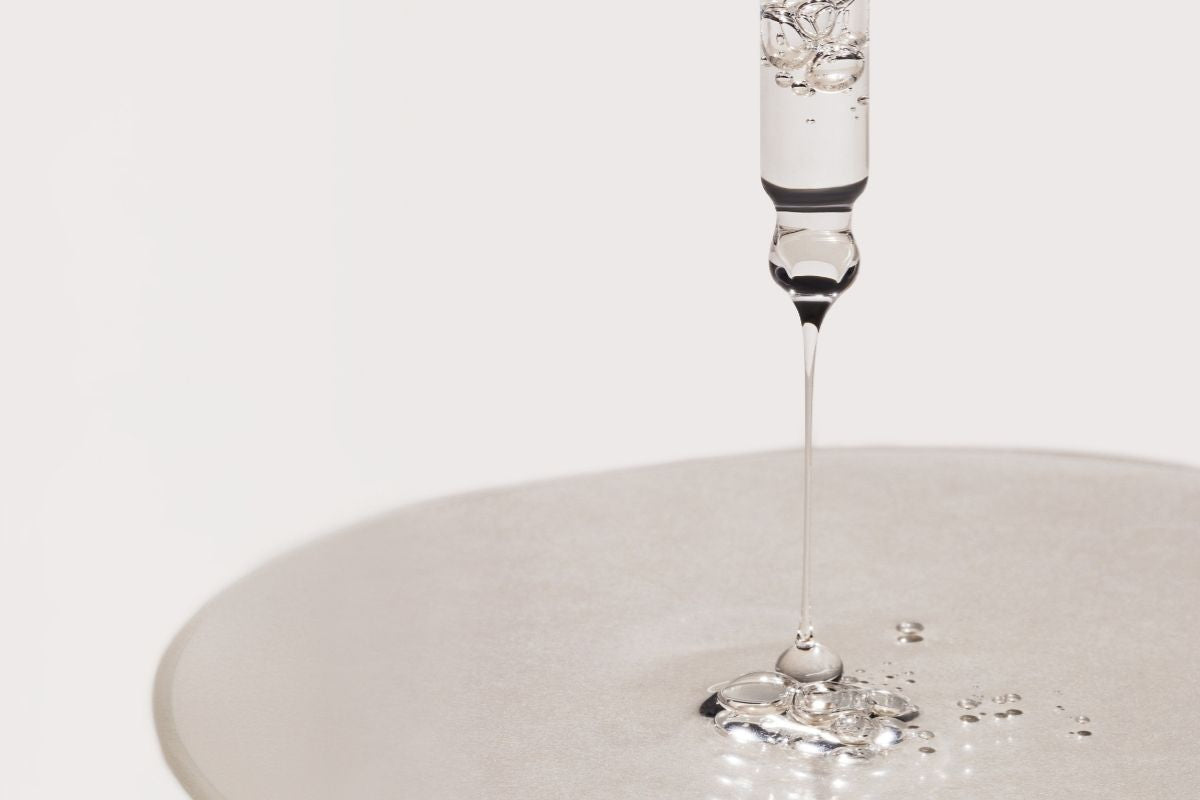
Hyaluronic acid is a naturally occurring sugar molecule that functions as a humectant, meaning it attracts and binds water.
“Each molecule of hyaluronic acid can absorb up to 1,000 times its weight in water, making it a super-ingredient in rehydrating the skin, regardless of skin type, tone, age or gender” explains Dr Vincent Wong.
Forming part of the skin’s supporting structure, when levels are healthy, skin appears smoother, more radiant and feels supple and even firmer. As levels decline, dehydration lines become more noticeable and skin can start to feel tighter and less resilient.
Why hyaluronic acid declines
Like collagen, natural hyaluronic acid production begins to decrease as we age due in part tohormonal shifts, environmental exposure and lifestyle factors that all play a role in accelerating this natural decline.
As levels fall, the skin becomes less efficient at retaining moisture. This doesn’t just affect how the skin looks, but how it functions, making hydration support increasingly important as we age.
Hydration myths vs reality
Myth: Hyaluronic acid is an exfoliating acid
Reality: Despite its name, hyaluronic acid does not exfoliate the skin or increase cell turnover. Instead, it supports hydration, making it suitable even for sensitive or compromised skin types.
Myth: Hyaluronic acid should be applied to dry skin
Reality: Hyaluronic acid works best when water is present, which means you should be applying it to slightly damp skin, so it can bind with that surface moisture and hold it in place. If applied to already dehydrated skin in a dry environment, without any water, it may contribute to skin tightness rather than relief.
Myth: Hyaluronic acid alone is enough to hydrate skin
Reality: As formulator Georgie Cleeve points out, “hyaluronic acid isn’t a lone super ingredient”. Hydration depends on formulation, and without added ingredients that support the skin barrier, moisture can still evaporate as quickly as it’s drawn in.
Myth: All hyaluronic acid serums perform the same
Reality: Size matters. Larger molecules of hyaluronic acid will sit closer to the surface, offering temporary plumping, while smaller molecules penetrate more effectively. Products that combine multiple molecular weights tend to deliver more balanced hydration.
Myth: Hyaluronic acid causes dehydration
Reality: Hyaluronic acid doesn’t dehydrate skin on its own. When discomfort occurs, it’s usually due to dry air, incorrect application, or failure to seal hydration in after application.
How to use hyaluronic acid correctly
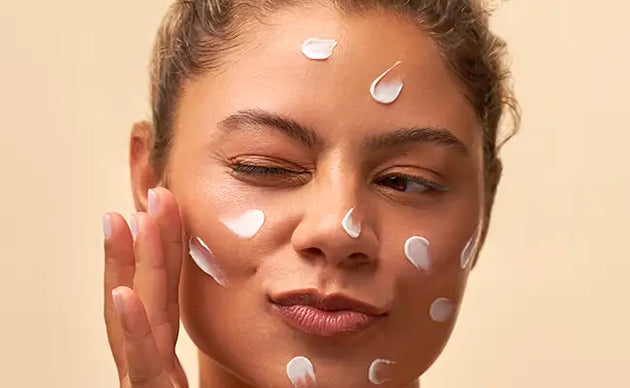
Hyaluronic acid should be applied after cleansing, while skin is still slightly damp. This provides immediate water for the ingredient to bind to, allowing it to work as intended.
Equally important is what comes next. “To sustain the longevity of a topical hyaluronic acid, apply a moisturiser on top too” adds Wong. This step helps slow water loss and keeps hydration locked in.
Seasonal changes also matter. Central heating, air conditioning and cold air all reduce ambient humidity, meaning skin may need richer textures or additional barrier support to maintain its hydration levels.
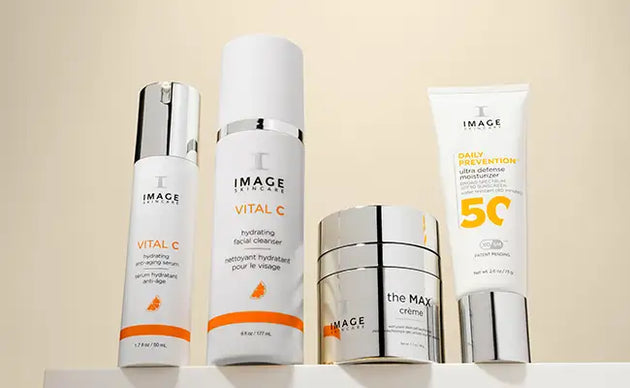
Image Skincare routines featuring hyaluronic acid
Image Skincare incorporates hyaluronic acid across several formulas, each designed to support the hydration levels of your skin.
AGELESS Pure Hyaluronic 6 Filler contains six forms of lower and higher molecular weight hyaluronic acids to rapidly smooth away the appearance of lines and wrinkles. It works best when followed with a moisturiser to reinforce hydration.
For skin that feels dull or environmentally stressed, VITAL C Hydrating Water Burst provides an immediate surge of hydration and is formulated with hyaluronic acid, antioxidants, anti-ageing peptides and barrier supporting vitamin E to provide a youthful, brighter, healthier-looking complexion.
VITAL C Hydrating Repair Crème pairs hyaluronic acid with vitamin C and ceramides. Together they quench and soothe the skin, and lock in moisture, supporting skin that struggles with moisture loss, particularly during colder months or periods of barrier disruption.
ORMEDIC Balancing Antioxidant Serum is an essential everyday serum that soothes the skin and strengthens its defences against damage. Kakadu plum and beetroot extract are multi-benefit antioxidants that give skin a healthy glow, while nutrient-rich organic grape water and hyaluronic acid restore balance and hydration to dehydrated skin.
BIOME+ Dew Bright Serum helps to reignite a dewy, lit-from-within glow in dull skin. It contains fermented, cross-linked hyaluronic acid to help fortify the skin’s own moisture barrier, attracting water to the skin and locking it in place for long-lasting hydration. There’s also barrier strengthening squalane and glow enhancing niacinamide packed inside.
Hydrating hero
Hyaluronic acid is not a shortcut to hydrated skin, but it is a powerful support thanks to its ability to attract water. It does rely on the correct application method and a healthy skin barrier to deliver lasting results, which means to get the most out of hyaluronic acid. Tag team it with other actives and you’ll find it will quickly become one of your skin’s most reliable allies.