

Salicylic acid: Who should use it & benefits
Salicylic acid has been viewed as a gold standard active for decades, and widely considered one of the best acne treatments on the market. It’s not got that reputation for no reason. Unlike other acids that skim the surface, salicylic acid moves through oil and gets into each and every pore which is exactly where congestion starts.
What makes salicylic acid different
Salicylic acid is a BHA (beta hydroxy acid) derived originally from willow bark. The key difference between this and the AHAs like glycolic acid and lactic acid that you’ll often see on ingredient lists is solubility. AHAs dissolve in water; BHAs dissolve in oil. That one distinction gives salicylic acid access to something other acids can’t reach: the pore lining.
Once it’s in there, it loosens the compacted dead skin cells that would normally form a blockage. It also has natural anti‑inflammatory properties, which is probably why it turns up everywhere from blemish treatments to shampoos for dandruff.
Why it’s so effective for acne
Acne is still misunderstood as a surface problem, when in reality it's a cycle driven by inflammation. Consultant Dermatologist Dr Sharon Belmo explains it clearly: “Breakouts develop when excess oil, dead skin cells and bacteria combine within the pore, triggering inflammation.” From there, the skin decides whether it wants to produce blackheads, papules, pustules or deeper cystic bumps that sit under the surface.
Because salicylic acid goes directly into the pore, it can break up congestion before it spirals into something more inflammatory. As Dr Belmo explains, “it tackles congestion at the source,” which is why it continues to be one of the most recommended ingredients for blackheads and whiteheads.
If cystic acne is part of the picture, prescription treatment is often needed. But for the constellation of recurring blackheads, whiteheads, excess oil and uneven texture, salicylic acid can be a quietly transformative addition to your skincare routine.
Who benefits from salicylic acid
Oily and combination skin types - the kind where your T‑zone feels like it’s plotting against you by midday - tend to see the fastest improvement. So, if you’re someone whose pores constantly refill the moment you clear them, salicylic acid is a must.
For Black and brown skin tones, acne tends to leave its mark. “Inflammatory lesions such as cysts or pus‑filled spots carry a higher risk of leaving dark marks because inflammation stimulates melanocytes to produce excess pigment,” explains Dr Belmo. Gentle, consistent use of salicylic acid reduces the likelihood of acne and therefore the triggering of post‑inflammatory hyperpigmentation. It’s a win-win!
Beyond breakouts: the extra benefits
Even when acne isn’t your main concern, salicylic acid can be useful for:
- uneven or rough texture
- pores that look more prominent when congested
- excess oil that resurfaces throughout the day
- redness caused by clogged pores
How Salicylic acid plays with other ingredients
Salicylic acid doesn’t need to dominate your routine to be effective. It blends well with a host of other ingredients, and should be used alongside barrier-supporting ingredients especially to keep your skin in good health. When paired with niacinamide for example, you can further balance oil production, and keep skin well hydrated.
The issue tends to come from mixing too many exfoliants on the same night. Advanced Aesthetician Corina Mihalache always reminds clients that heavier isn’t better: “Lower concentrations are often sufficient for oilier skin types. Because salicylic acid penetrates into sebum, it doesn’t need to be used aggressively to be effective. It’s more about rhythm than intensity.”
How often you should use Salicylic acid
For most people, this acid should be used two to three times a week. You can use it all over the face and areas of the body prone to breaking out, like the back and chest. And for some people working up to daily use may be most effective.
Note however, that SPF is a must as any form of exfoliation makes skin slightly more vulnerable to UV damage, and for deeper skin tones especially, that’s where pigmentation can sneak in.
Salicylic acid essentials
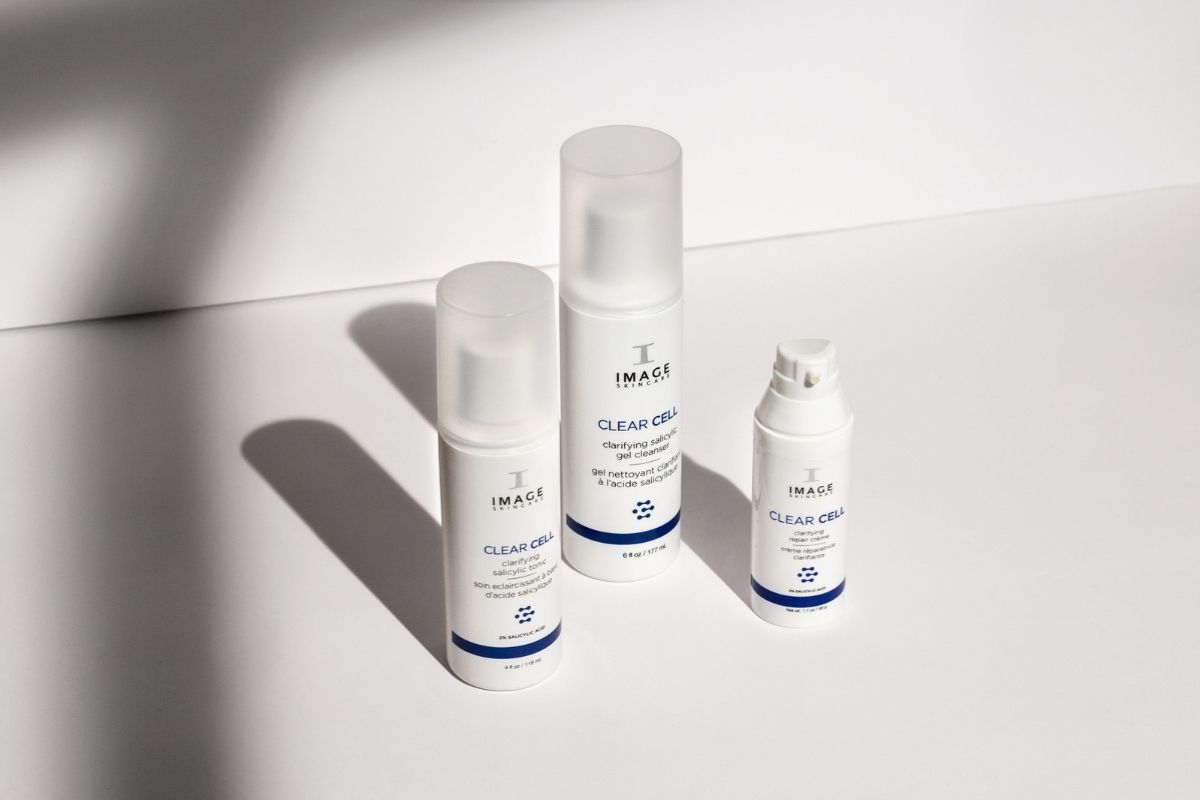
The CLEAR CELL range is formulated around salicylic acid and made for those of you who deal with excess oil and breakouts regularly.
CLEAR CELL Clarifying Salicylic Gel Cleanser, is designed to cleanse deeply while helping to clear pores without stripping the skin.
CLEAR CELL Salicylic Clarifying Tonic, provides gentle exfoliation after cleansing, helping to prevent dead skin cell build-up that can lead to congestion.
CLEAR CELL Salicylic Clarifying Pads, offer a convenient way to target oil and breakouts, particularly on areas of the face and body prone to blackheads and whiteheads.
CLEAR CELL Clarifying Salicylic Masque, delivers deeper pore-clearing benefits, helping to calm active breakouts and refine texture when used consistently.
Salicylic acid: A reliable active
There’s a reason salicylic acid remains such a staple. It goes straight to where congestion forms, and it doesn’t need a heavy hand to be effective. A steady, sensible approach works best and over time you’re sure to see improvements in oiliness, texture and clarity.