
Article: Serum vs Moisturiser: What’s the Difference?
Serum vs Moisturiser: What’s the Difference?
Serums and moisturisers are often confused as interchangeable, with one getting picked over the other or both being applied in the wrong order as if it makes no difference. But it does. They may promise similar results, but in actual fact they work differently, and it’s worth understanding how these two staples differ in order to reap the full benefits of both.
What is a moisturiser?
The main job of a moisturiser is to protect and maintain the skin barrier. That’s the very top layer of skin that seals everything in, prevents water loss and shields the skin from external stressors like bacteria, pollution, and temperature changes. Most are built from a blend of humectants (that draw water into the skin), emollients (that soften and smooth) and occlusives (that lock hydration in). Together, they create the ideal conditions your skin needs to function at its best.
What are moisturisers best for?
Moisturisers are about balance. They maintain hydration levels, reinforce the barrier and reduce the amount of water your skin loses – this is known as transepidermal water loss - one of the main drivers of dryness, irritation and sensitivity. They are essential for all skin types;even oily or acne-prone skin needs hydration and barrier support. The difference between the best moisturiser for dry skin vs. oily skin for example would be the texture: lighter, gel-based formulas suit oilier skins, richer creams suit dry, depleted or mature skin.
Skin tone is important here too, melanin rich complexions can be more prone to dehydration and barrier disruption, showing up as dullness or uneven tone. This makes consistent moisturiser use particularly important for maintaining even, healthy skin.
The pros and cons of moisturisers
The biggest advantage to including a moisturiser into your daily skincare routine is thestability it offers the skin. When the barrier is supported, everything else works better, actives penetrate more effectively, skin is more resilient, and irritation is less likely. The limitation is that moisturisers aren’t designed to deliver high concentrations of targeted actives deep into the skin because they don’t penetrate as far as the likes of a serum. Overall, their role is primarily protective, however, many now include an impressive array of actives that also target everything from lines and wrinkles, to hyperpigmentation.
Our moisturiser picks
Choosing the right formula makes all the difference.
For skin experiencing visible loss of firmness, dehydration or crepey texture, the VOL.U.LIFT GLP-1 4D Skin Rebound Complex, takes a more advanced approach. Bakuchiol, multi-weight hyaluronic acid and biomimetic collagen fragments work together to support structure all while maintaining hydration.
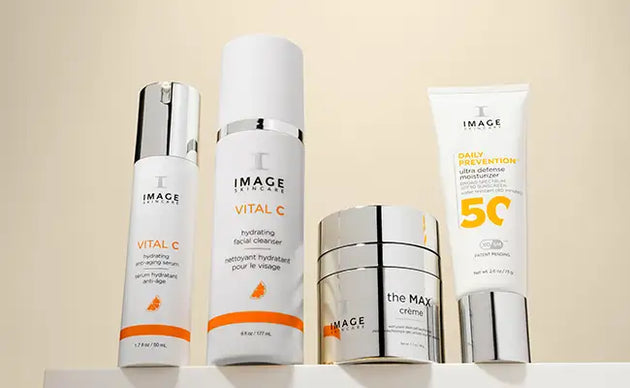
If dehydration is the main concern, VITAL C Hydrating Repair Crème, and VITAL C Hydrating Intense Moisturiser, focus on replenishing moisture and supporting a compromised barrier, making both well-suited to dry or environmentally stressed skin.
For more mature or visibly ageing skin, AGELESS Total Repair Crème and IMAGE MD Biotech Longevity Crème combine hydration with age-supportive ingredients to help improve the appearance of texture, tone and firmness over time.
Oily or breakout-prone skin will find CLEAR CELL Mattifying Moisturiser a game-changer, as it offers hydration without heaviness, with oil-balancing benefits that help maintain clarity.
For a balanced everyday option, ORMEDIC Balancing Biopeptide Crème, delivers gentle hydration with skin-supportive ingredients, while ILUMA Intense Brightening Crème targets uneven tone and radiance.
And for those who want high-performance youth-boosting support, the MAX Crème sits firmly in that category. The multi-benefit formula helps to replenish moisture, reduce the look of wrinkles and promote smoother, more even-toned skin.
What is a serum?
Serums are typically lightweight, fast-absorbing formulas designed to deliver active ingredients deeper into the skin than a moisturiser. They are usually water-based or very low in occlusive ingredients, which allows them to penetrate more effectively. You’ll generally find that a serum is where you’ll see targeted actives like vitamin C, hyaluronic acid, peptides, and brightening agents in stronger concentrations than what can be found in a moisturiser.
How do serums work?
Serums have a smaller molecular structure than moisturisers which allows them to move more easily through the upper layers of the skin. Rather than sitting on the surface, they interact more directly with the skin’s cellular processes — supporting hydration, repair, collagen production and tone correction.
What are serums best for?
Serums are best at targeting skin concerns like dehydration, pigmentation, fine lines, wrinkles, dullness, laxity and breakouts. Dehydrated skin benefits from hyaluronic acid-based serums. Dull or uneven skin responds well to vitamin C or brightening formulas. Breakout-prone skin can be helped by clarifying serums that regulate oil and calm inflammation. They work for all skin types, but because they’re concentrated, selection really matters.
The pros and cons of serums
When it comes to serums, their potency and penetration ability are their main advantages.The downside is that they offer little in the way of barrier protection, meaning on their own, they don’t seal in hydration or defend against environmental aggressors.
Our serum picks
For hydration and visible plumping, AGELESS Pure Hyaluronic 6 Filler, delivers multi-level hydration that helps skin appear smoother and more supple.
For glow and antioxidant protection, VITAL C Hydrating Anti-Ageing Serum, and VITAL C Hydrating Antioxidant A C E Serum, both support brightness while helping defend against environmental damage.
For uneven tone and pigmentation, ILUMA Intense Brightening Serum targets discolouration and refines overall radiance.
For breakout-prone skin, CLEAR CELL Restoring Serum, calms and clarifies without stripping the barrier.
For more advanced age-supportive benefits, AGELESS Total Anti-Ageing Serum, and the MAX Serum, both focus on improving the look of fine lines, wrinkles and laxity.
Serums & Moisturisers: Tag team
Serums and moisturisers aren’t competitors; they’re designed to work together. Serums go on first delivering targeted ingredients into the skin, your moisturiser second so it can lockeverything in and protect the barrier. Using one without the other has its limitations, so tag-team them both and you’ll reap the benefits.